From Policy to Evidence: The AI Compliance Gap Most Schools Are Missing
Many schools have an AI policy. Fewer can prove it's being followed. This is the compliance gap most schools are missing.
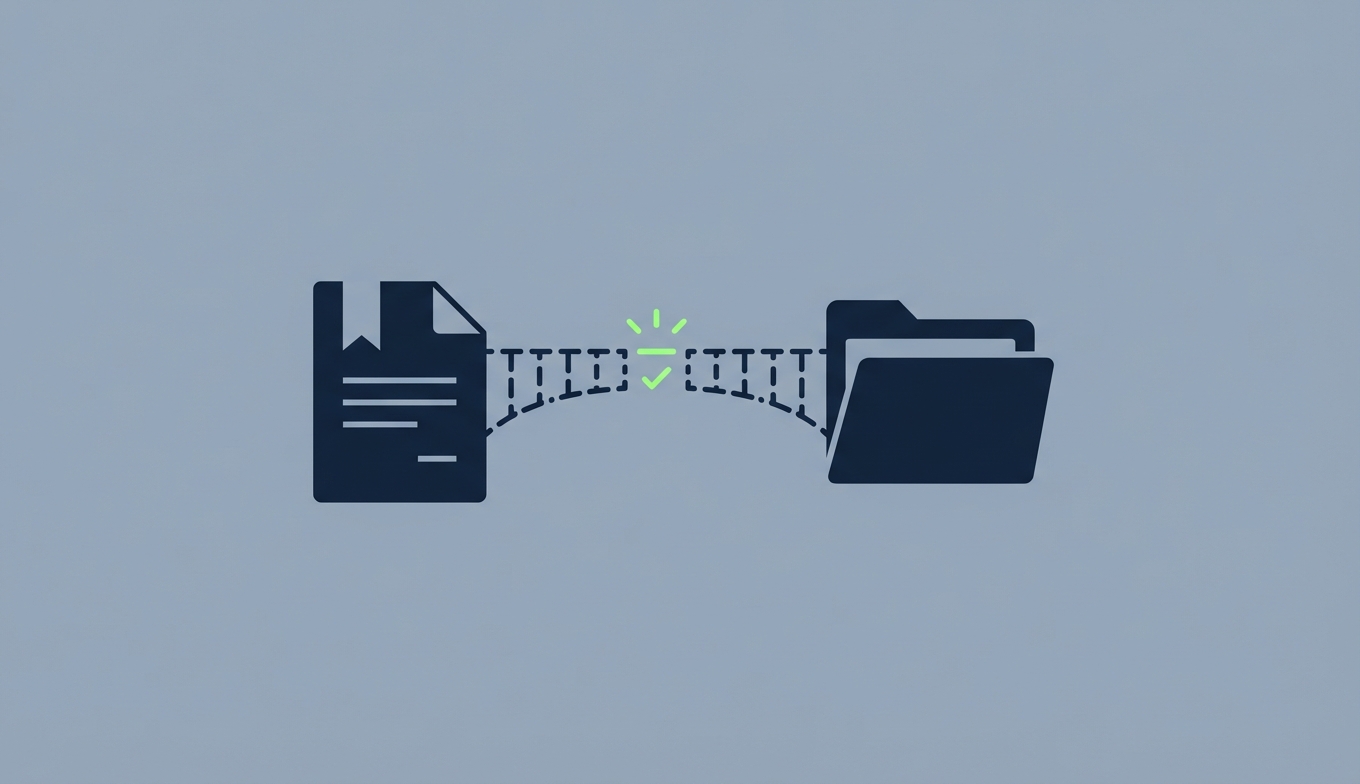
Many schools have an AI policy. Fewer can prove it’s being followed.
This is the compliance gap: the distance between what your policy says and what you can demonstrate. It’s where good intentions meet governance reality.
Policy is not compliance
A policy document is a starting point. It says what should happen. Compliance evidence shows what is happening.
When governors or inspectors ask about AI, they’re not asking to read your policy. They’re asking:
- Do staff know this policy exists?
- Have they been trained on it?
- How do you know they’re following it?
- What happens when it’s updated?
If you can’t answer these with data, your policy is decoration.
What evidence looks like
Real compliance evidence includes:
Training completion. Not just attendance records — verified completion with assessment. Who passed? Who’s outstanding? When did they complete it?
Currency. Knowledge decays. Evidence should show when staff last updated their training, not just when they first completed it.
Coverage. What percentage of staff are trained? What’s the gap? Is it closing or growing?
Policy acknowledgment. Have staff signed off on the current policy version? Can you prove it?
Closing the gap
Most schools have the gap because:
- Training and policy live in different systems
- Compliance data requires manual compilation
- Updates create new evidence requirements
- Nobody owns the whole picture
The solution isn’t working harder. It’s connecting policy, training, and evidence in one system — so compliance reporting is automatic, not archaeological.
The Pedagogue Standard connects policy, training, and evidence in one place. Compliance reports export in one click — always current, always board-ready. See how it works.
